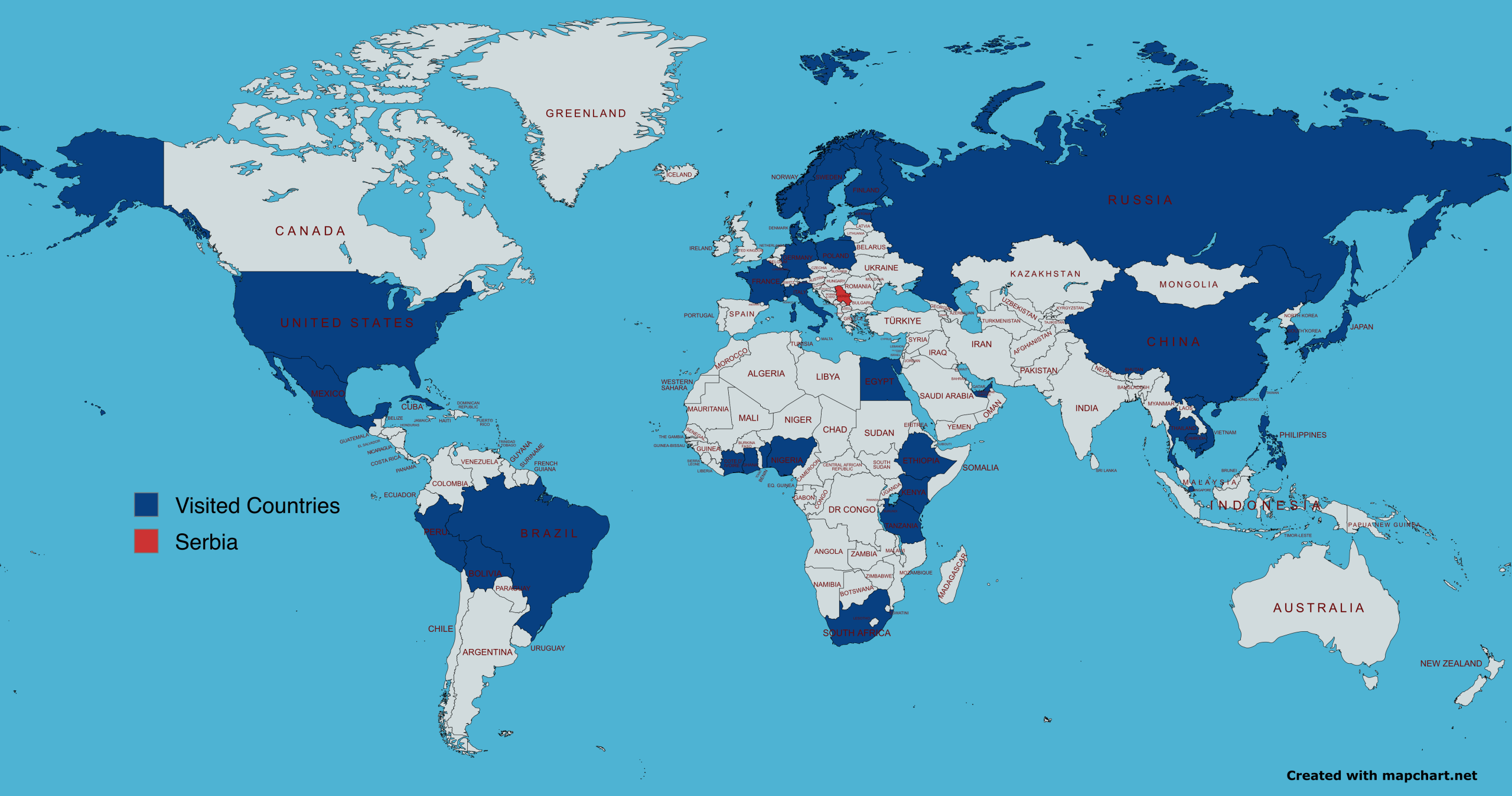
ローマ → 東ローマ → セルビア → オスマン(トルコ) → オーストリア → セルビア → ユーゴスラビア → セルビア、、、、、、、
あの西洋(ローマ・オーストリア)と東洋(オスマン・東ローマ)に何度も交互に支配されてきた国セルビアは、ベオグラードを旅します!
Rome → Byzantine Empire → Serbia → Ottoman Empire → Austria → Serbia → Yugoslavia → Serbia…
Ruled again and again by powers from both West and East, Serbia has changed hands many times throughout its history. This time, we are off to Belgrade!
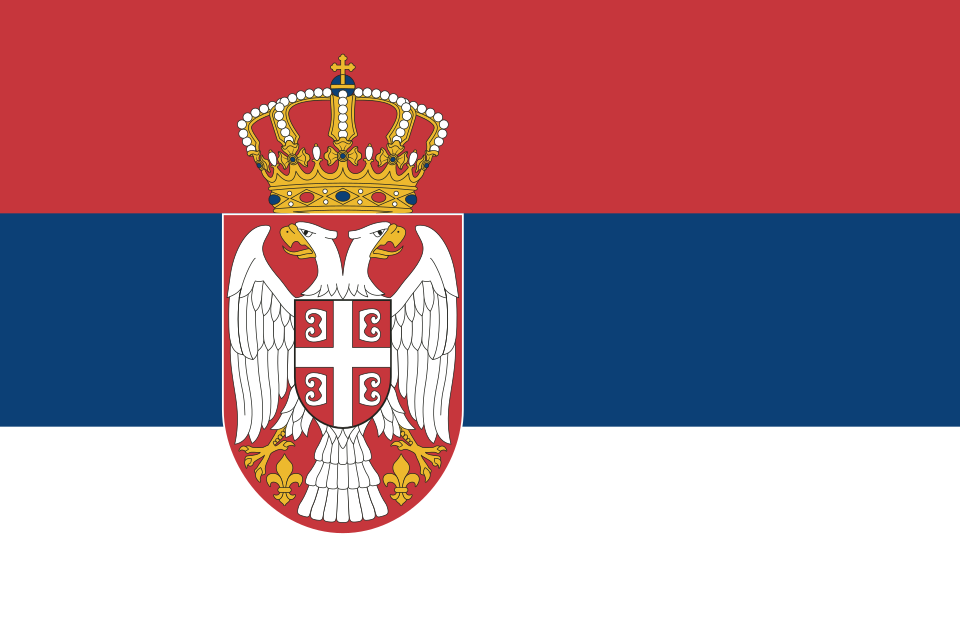
セルビア共和国 Republic of Serbia
首都:ベオグラード(Capital: Belgrade)
人口:約655万人(Population: about 6.55 million)
位置:バルカン半島、中央・南東ヨーロッパ
(Central and Southeastern Europe, on the Balkan Peninsula)
公用語:セルビア語(Serbian)
通貨:セルビア・ディナール(RSD / Serbian dinar)
宗教:東方正教会が中心(Main religion: Orthodox Christianity)
移民を考える Thinking about immigration
スウェーデンからセルビア、ベオグラードへの定期航空便に乗ってセルビアへ。
We flew from Sweden to Belgrade on a regular flight to Serbia.
この飛行機、乗車しているのはほぼほぼセルビア人です。行きも帰りも。スウェーデン人がセルビアに行くのではなく、セルビア人のための航路になっています。スウェーデンにはおよそ8万人のセルビア人が住んでいるようで、移民多し!
Almost everyone on the plane was Serbian. Both on the way there and on the way back.
It did not feel like a route for Swedish tourists visiting Serbia. It felt like a route for Serbians travelling between the two countries.
Apparently, around 80,000 Serbs live in Sweden!!
https://en.wikipedia.org/wiki/Serbs_in_Sweden?utm
スウェーデンはやはり安全面でも経済的にも超魅力的だし。ストックホルムに世代を超えてセルビア人住んでるんだって。
Sweden is obviously very attractive—both economically and in terms of safety. Serbian families have been living in Stockholm for generations.
逆に!セルビアに移住してくる人も多い!
空港から市内に向かう田舎エリア、、中国語ばっかり!!!
中国かと思うくらい、中国語の看板で埋め尽くされ、街には中国人しかいない。。
世界のどこにでもチャイナタウンはありますが、そんな比ではない。完全に中国に侵略されてる。なんじゃこれ
彼らは建設業などの拡大に伴う労働者の流入で、定住している。
But on the other hand, plenty of people are also moving to Serbia.
On the way from the airport into the city, through the more rural outskirts… Chinese everywhere!!!
The area was completely filled with Chinese signs. Almost everyone we saw was Chinese.
This was not like a Chinatown and more like the whole area had suddenly become China.
Many people have reportedly settled here after arriving as workers, particularly as construction and other industries expanded.
徐々に市街地に近づいていくが、、かなりボロい。全ての建物が建設途中。
We gradually got closer to the city centre, but… Everything looked pretty run-down.
ALL buildings were permanently under construction.
コンクリートとかボコボコだし、
レンタカー屋が屋根なしほったて小屋でした。
バス停の周りはポイ捨てゴミだらけ、
なぜかわからないが、公園的な広場的な芝生にゴミが散乱、何処にも!均等にゴミで埋め尽くされている!笑
謎に東南アジア感ありました
The concrete was cracked and uneven. Even the rental-car office was basically a roofless shack. There was rubbish scattered all around the bus stops.
And for some reason, the lawns—somewhere between parks and open public spaces—were completely covered in litter.
Had a slightly Southeast Asian feel to it.
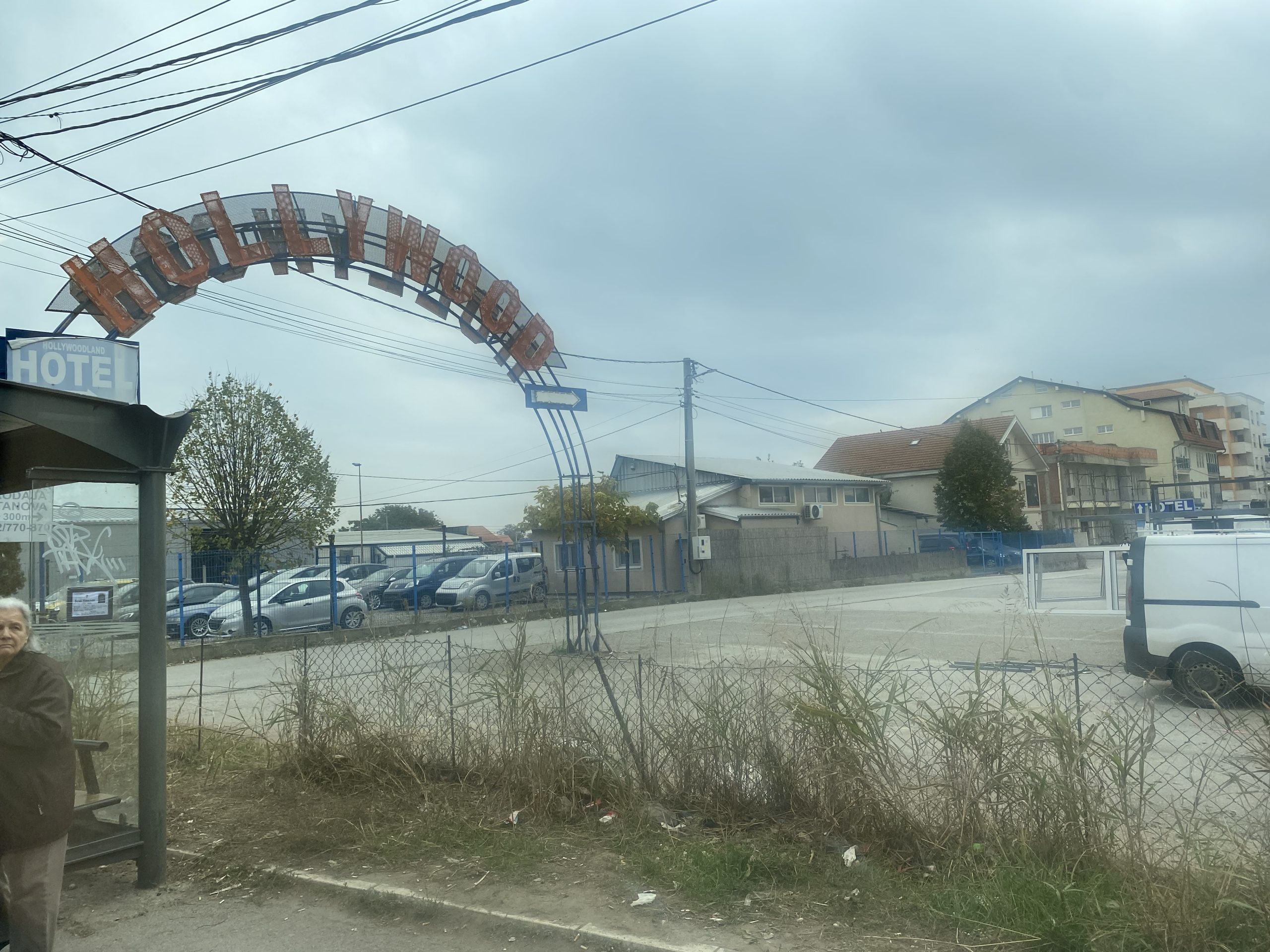
ユーゴスラビア地域を除けば、中国からの移民が多いらしい、約1.5万人。
その次には、なんとロシアから。2022年以降、一時的な滞在許可で急増しているようで5万人を超える。https://en.wikipedia.org/wiki/Immigration_to_Serbia?utm
Apart from people from the former Yugoslavia, the largest immigrant group is said to be from China. Around 15,000 people.
Next comes Russia. Since 2022, the number of Russians with short-term permits has jumped to over 50,000.
ロシアのウクライナ侵攻からロシアへの航空便は激減しましたが、セルビアは数少ない、ロシアとの直行航空便を維持した国でもあります。
ロシア人のエンジニアやアーティストが、一時的な避難移民としてたくさん来てるらしい
After Russia invaded Ukraine, direct flights to Russia almost disappeared. But Serbia was one of the few countries that kept them.
Many Russian engineers and artists came here to get away from the war.
また、非EUのセルビアは入国がしやすく、中東・アジア・アフリカなどからEUへ向かう移民・難民が、セルビアを経由してます。彼らは一時的に滞在しているみたい。Global Initiative
バスの運転手とか、バングラデシュ的なアジア系多かった。
Serbia is not in the EU, so it is easier to enter. Migrants and refugees from the Middle East, Asia and Africa also pass through Serbia on their way to the EU.
Most of them stay only for a short time. A lot of the bus drivers also seemed to be from South Asia.
もうこんな感じで、人間が出たり入ったりが激しい国です。
Serbia is a country in motion.
そもそもすごい変遷を辿る国 Country That Changed Again and Again
よくみると、街の感じが全然違う。
Look closely, and each part of the city feels completely different.
カレメグダン要塞(Kalemegdan Fortress)
はローマ帝国時代の城壁 is the huge fortress.
その後もオスマン、オーストリアンに再建され、使われに使われまくった城壁です。
Later, Serbian, Ottoman and Austrian rulers rebuilt it again and again.

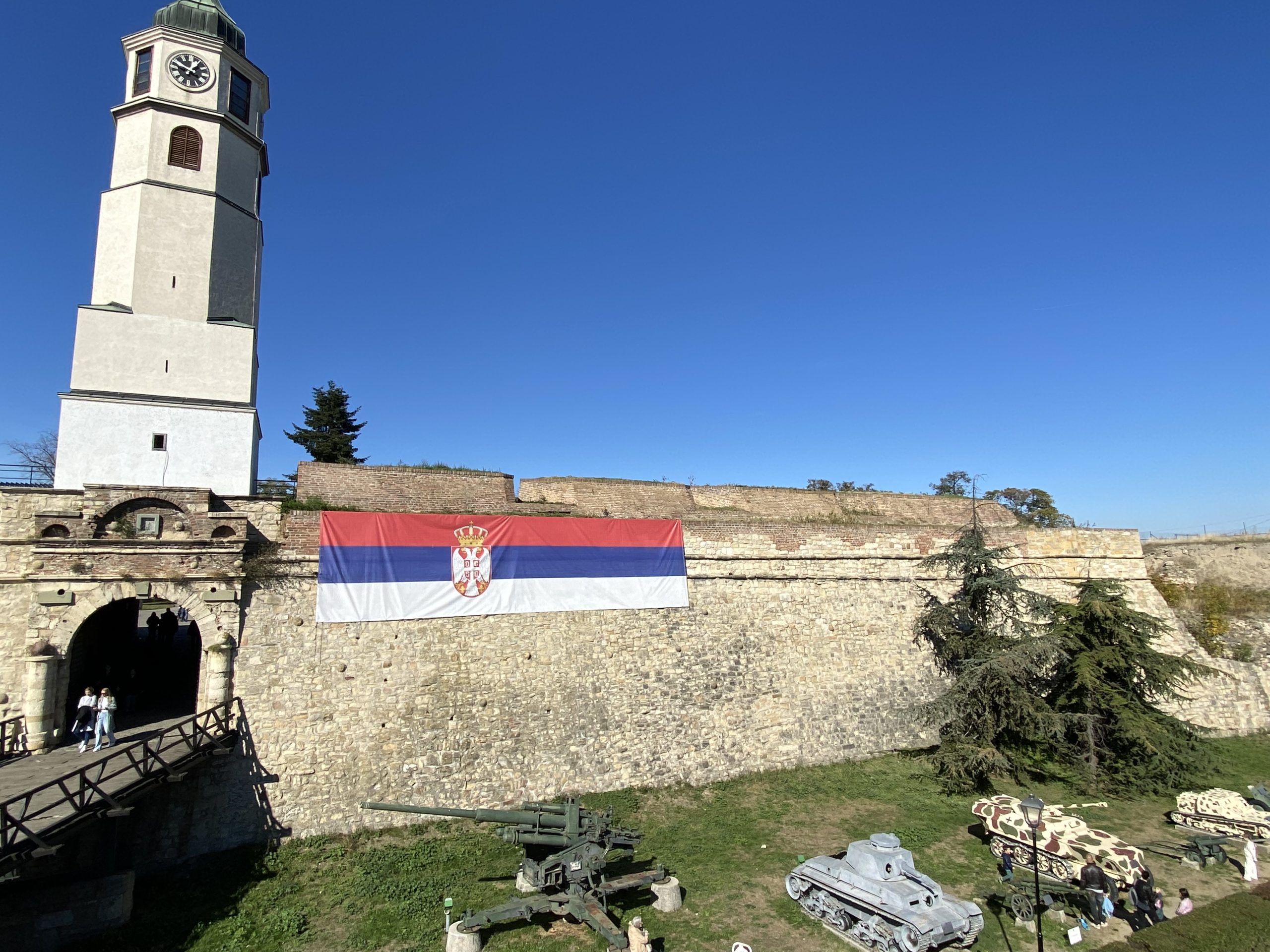
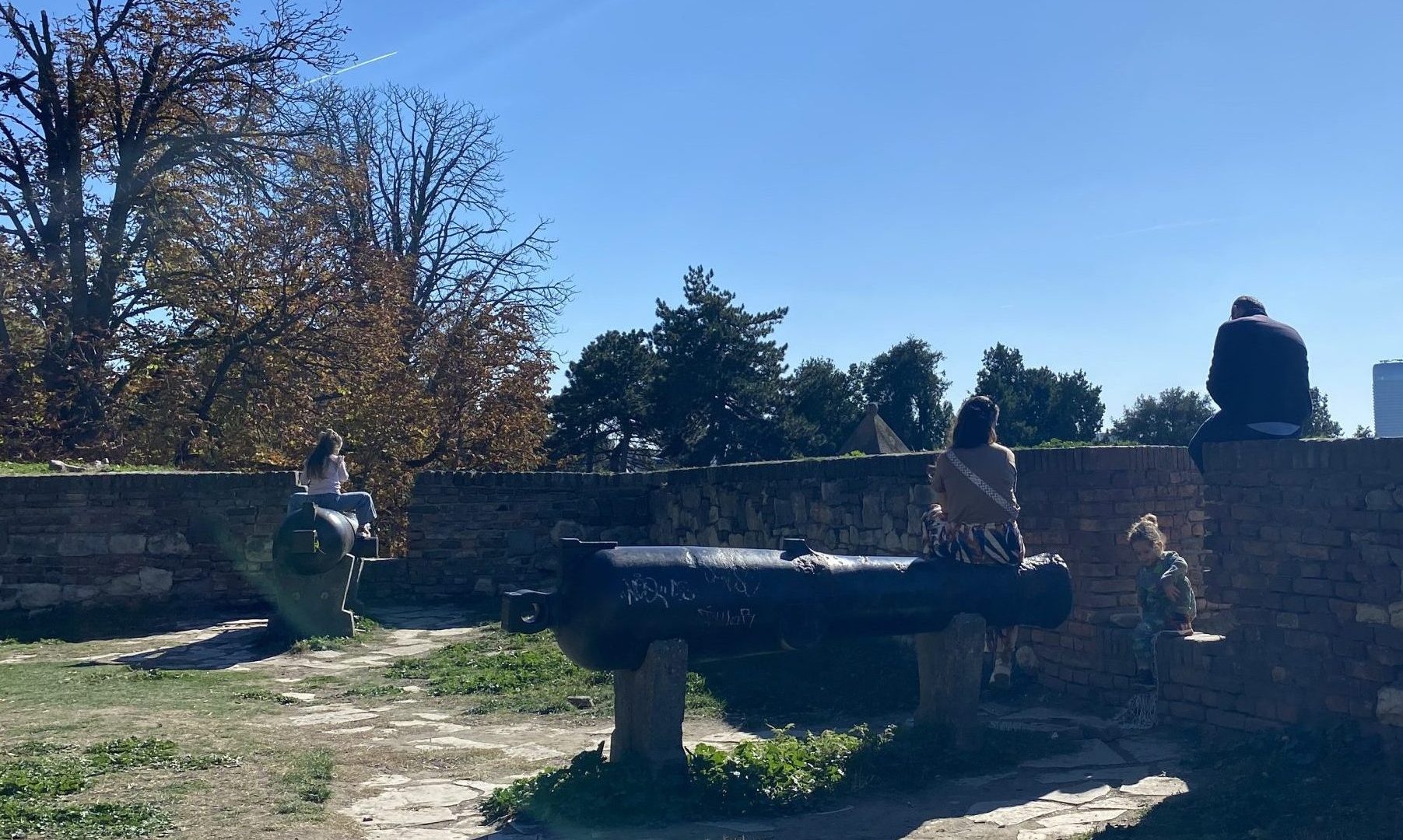
戦車に飛び乗り、大砲にまたがる、、これがセルビアン家族の土日の遊びである
Jump on a tank. Ride a cannon. This is how Serbian families spend their weekends.

ゾルチン地区(Zemun)
1700〜1918年まで、ハプスブルク帝国やオーストリアの支配を受けた中欧的街並み
これも、またまたまた建築様式が違う
From the early 1700s to 1918, Zemun was ruled by the Habsburgs and later Austria-Hungary.
And again—the buildings look totally different.
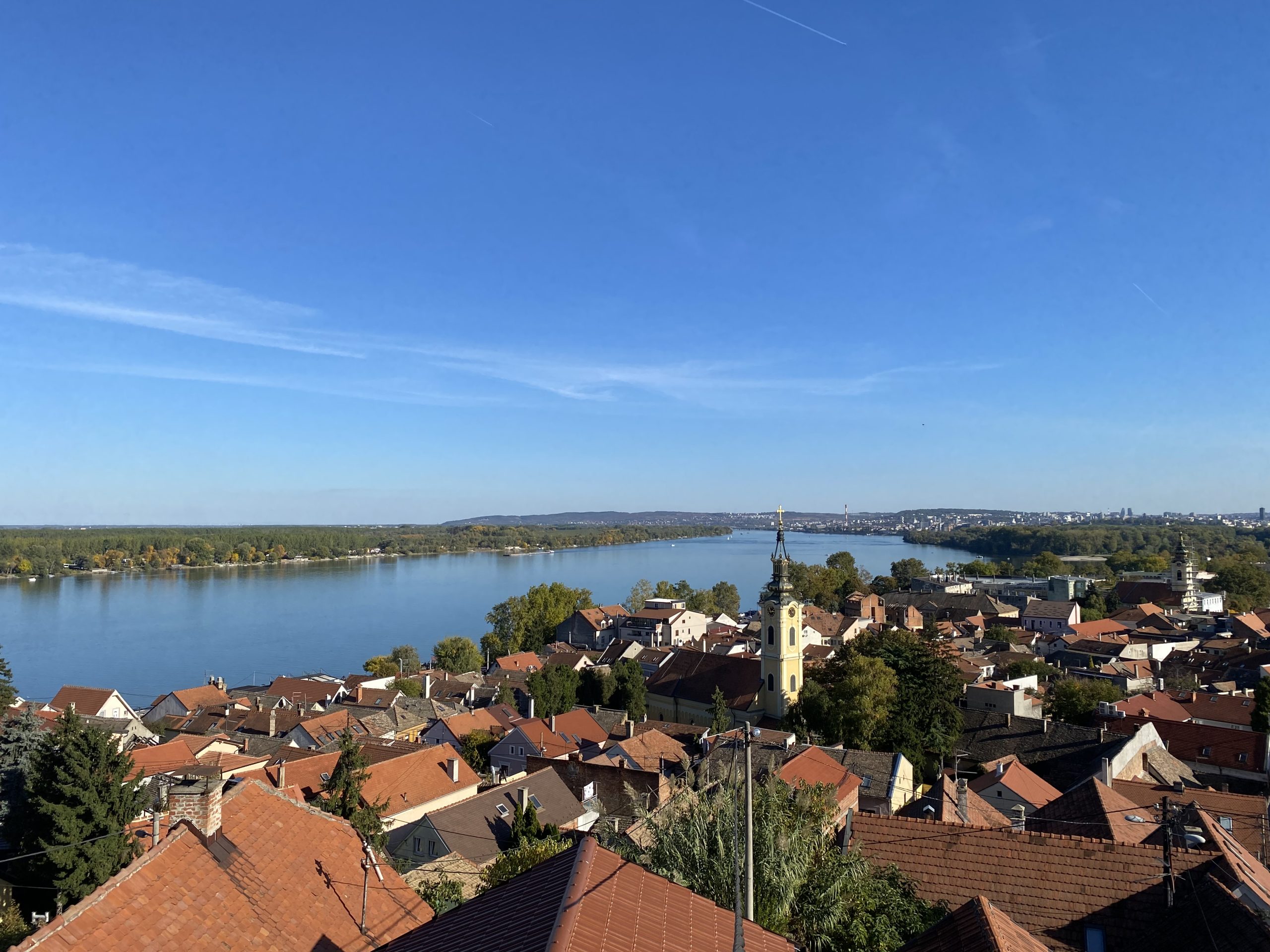
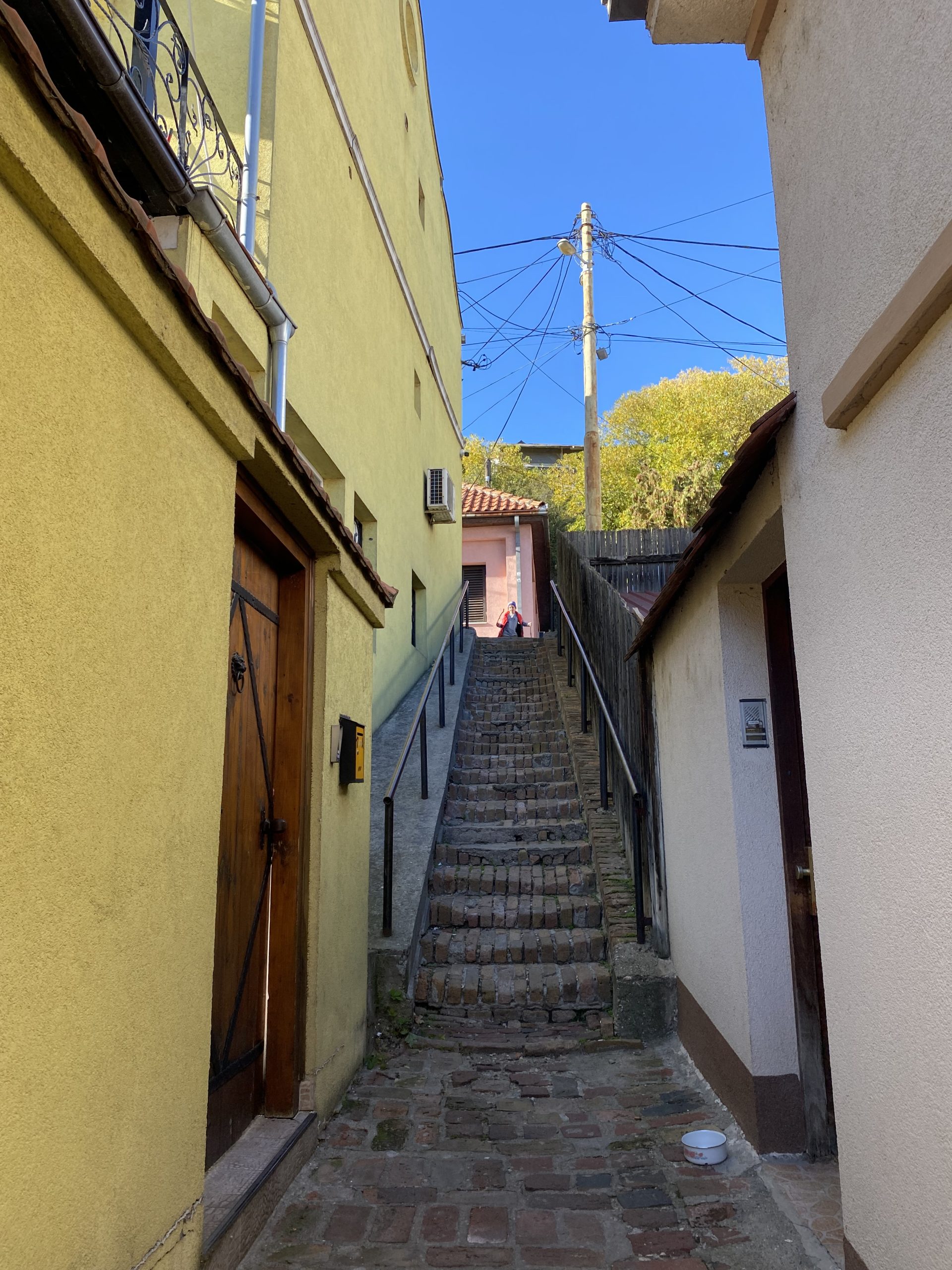
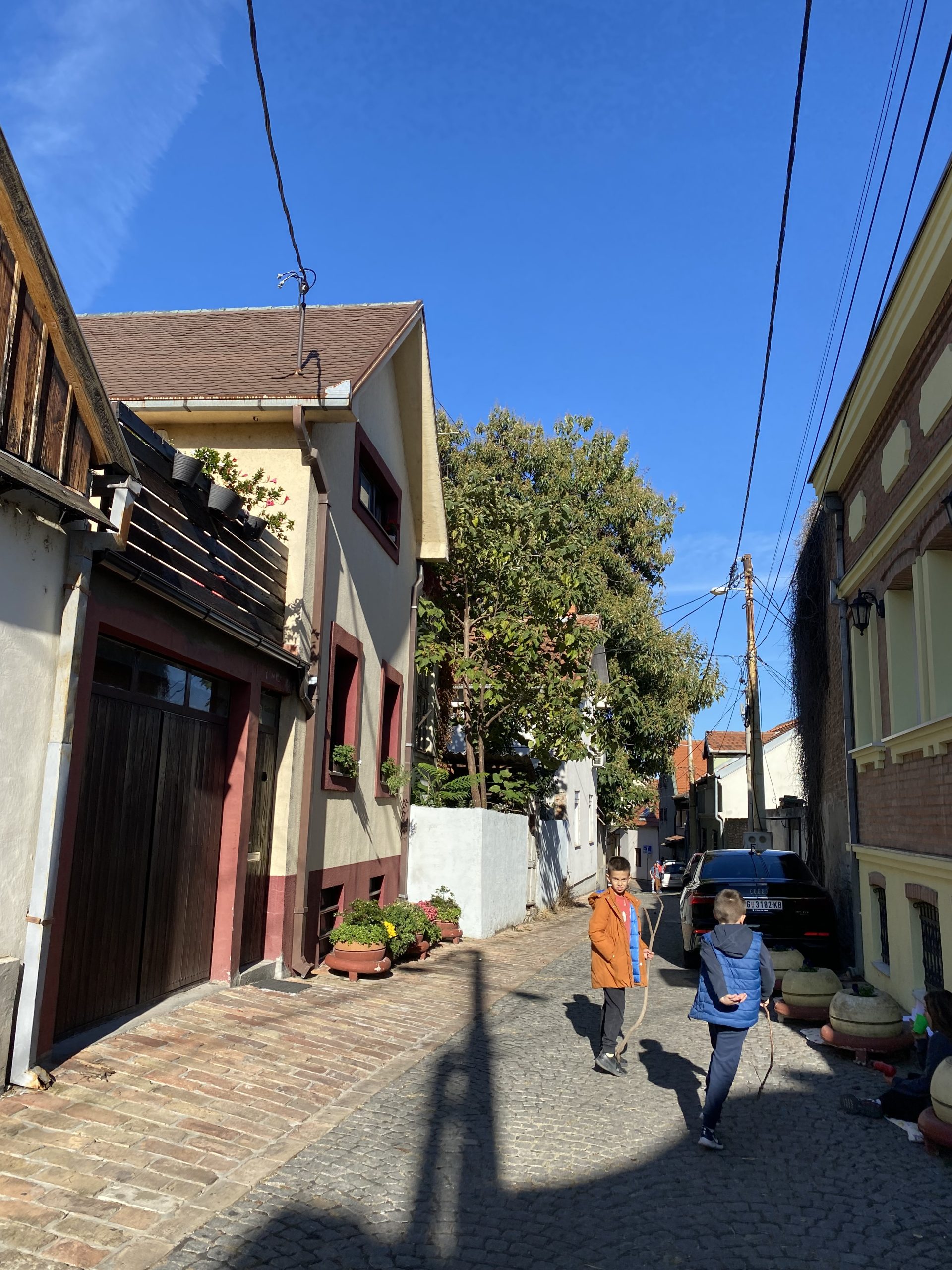
石畳の坂道、低い屋根、カラフルな漆喰の壁、パステルカラーの通りでかわいい!
Cobbled streets climb the hill. Low roofs. Colorful walls. Pastel streets. So cute!
ノヴィ・ベオグラード(Novi Beograd) – 「社会主義の未来都市」という意味らしい。旧ユーゴの近代化の象徴です。
New Belgrade was planned as a “socialist city of the future.” It became a symbol of the new Yugoslavia.
1947年〜チトー政権下で建設
街の特徴としては、、、広い大通りにコンクリート団地群があリます。公共空間が多く、緑も多い。
まさに「人間の平等」「合理的生活」を象徴する社会主義建築。
Work began in 1947, and the official building project started in 1948 under Tito.
Wide roads. Rows of concrete apartment blocks. Lots of open space and green.
A city built around equal living and a simple, practical life.
例えばこのGenex Tower↓ One famous example is Genex Tower.
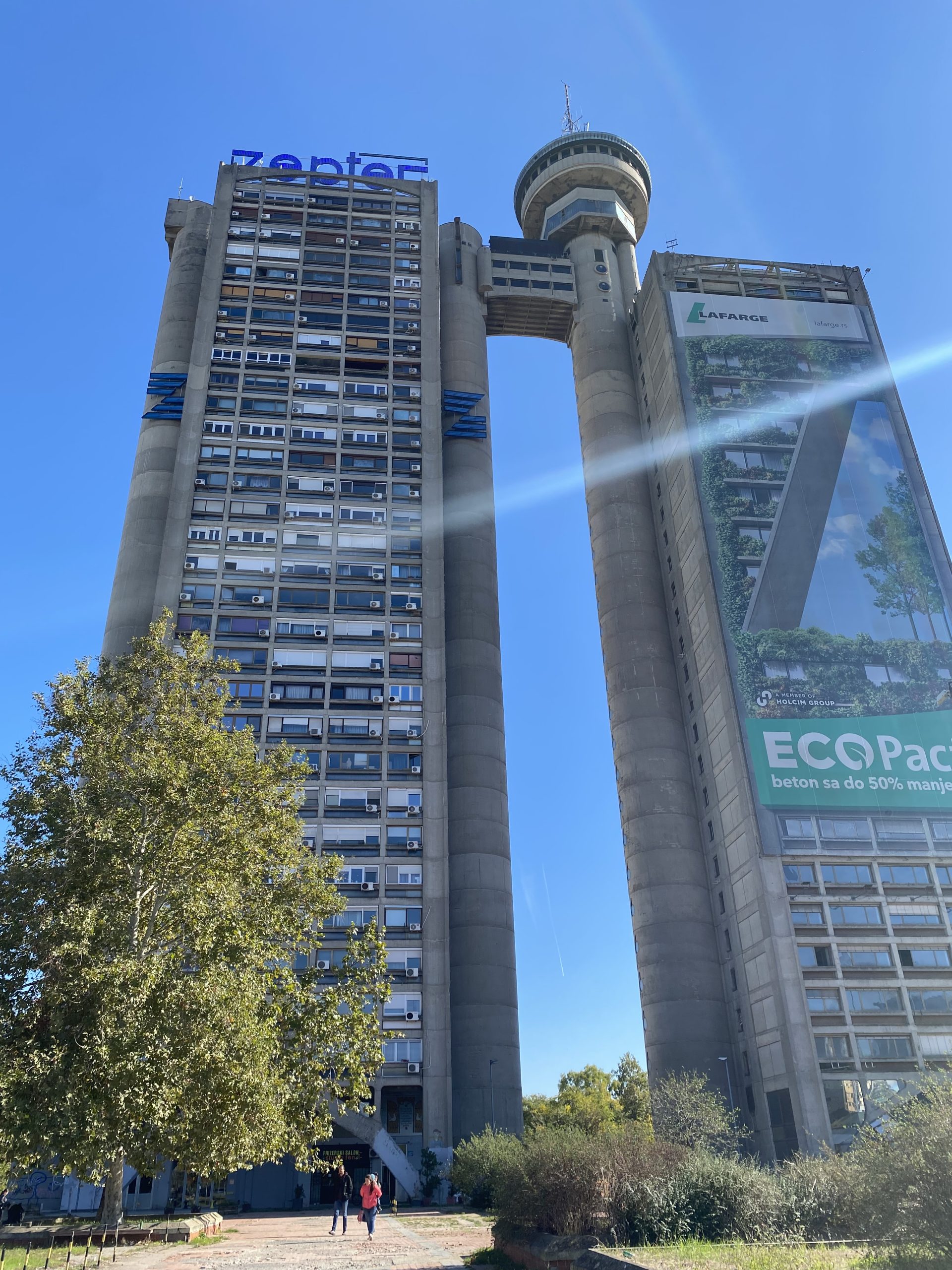
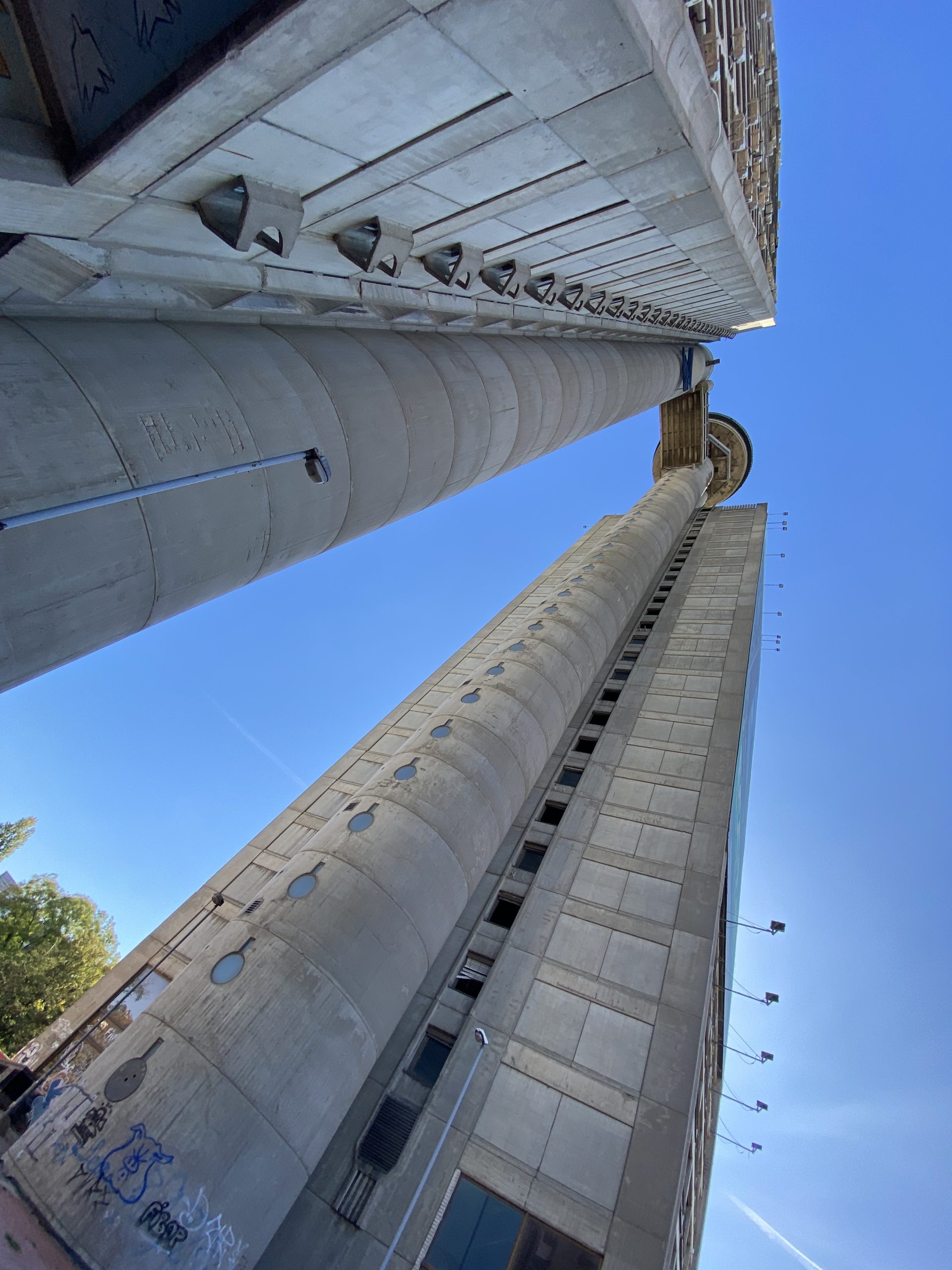
なんですかねこのなんとも言えない、廃墟感でもない牢獄感というか、遊びのない画一的なこの「社会主義感!」
Not quite a ruin. Not quite a prison.
Grey. Heavy. No fun. Everything feels made from the same plan.
This is what I call: Pure socialism!
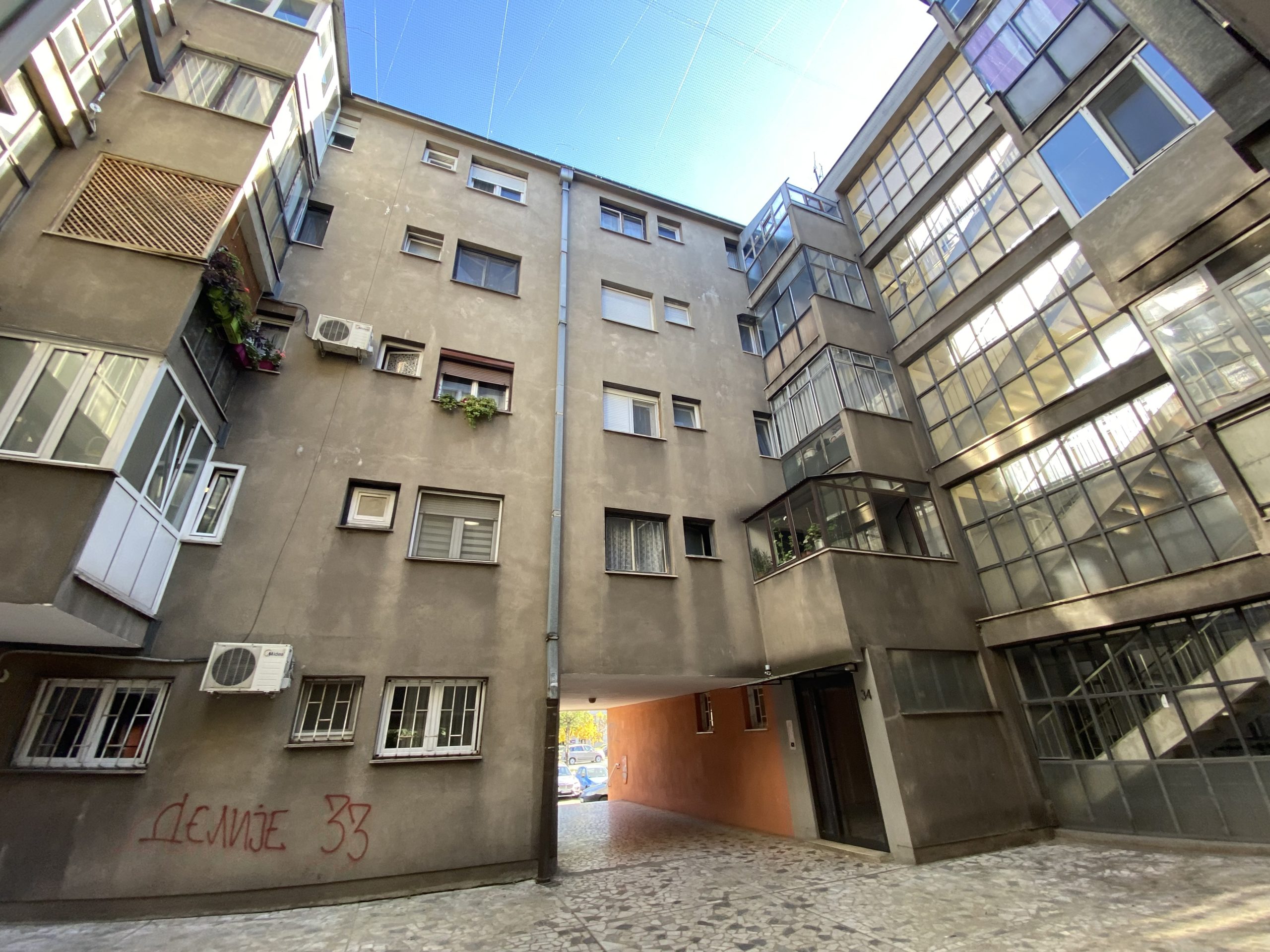
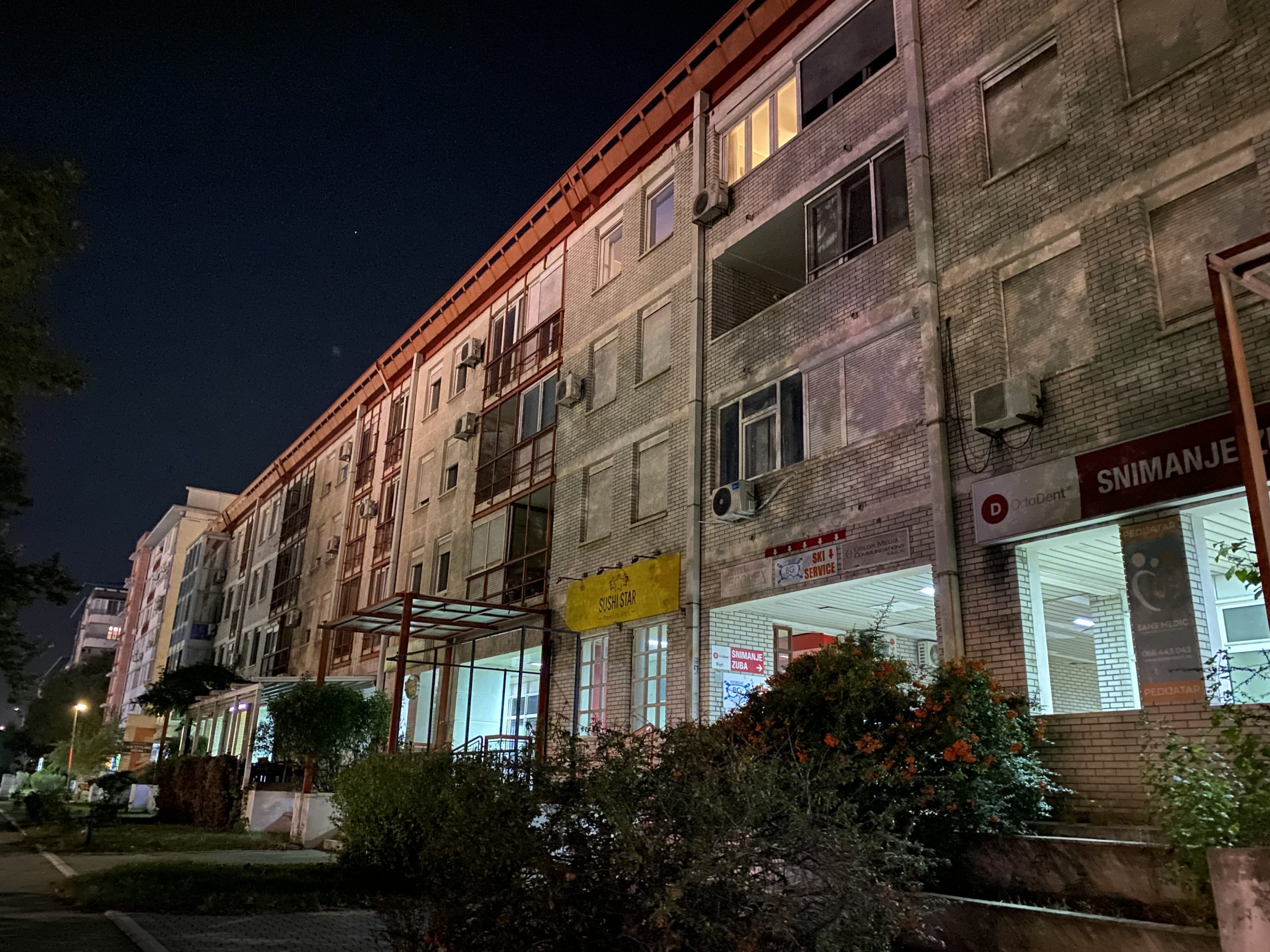
一方、中心部は社会主義時代のモダニズム建築もありながら混沌としています!
Meanwhile, the city centre is pure chaos. Modern buildings from the socialist age…
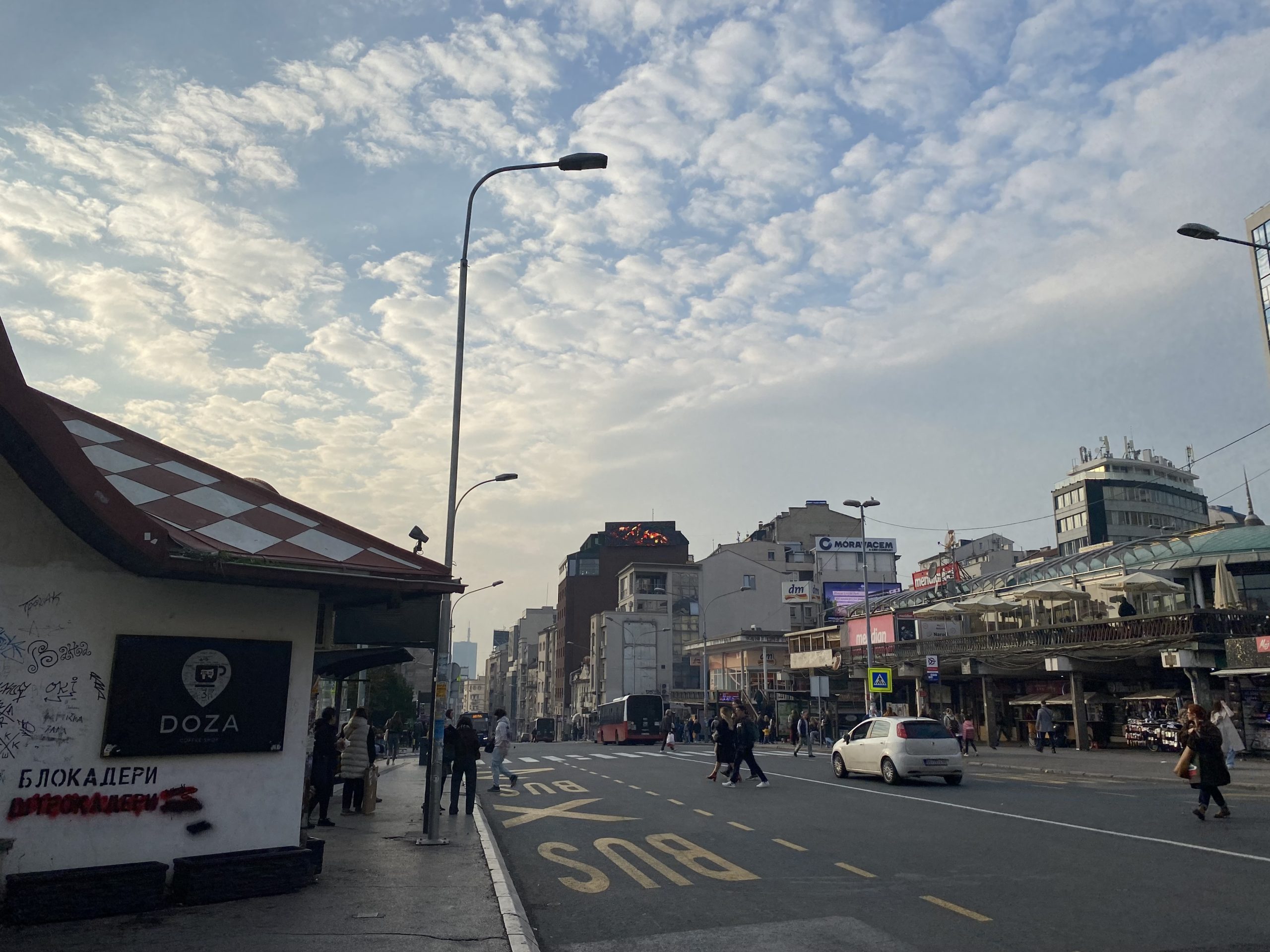
はたまたこんな超オシャレ石畳の路地もある A super stylish cobbled street.
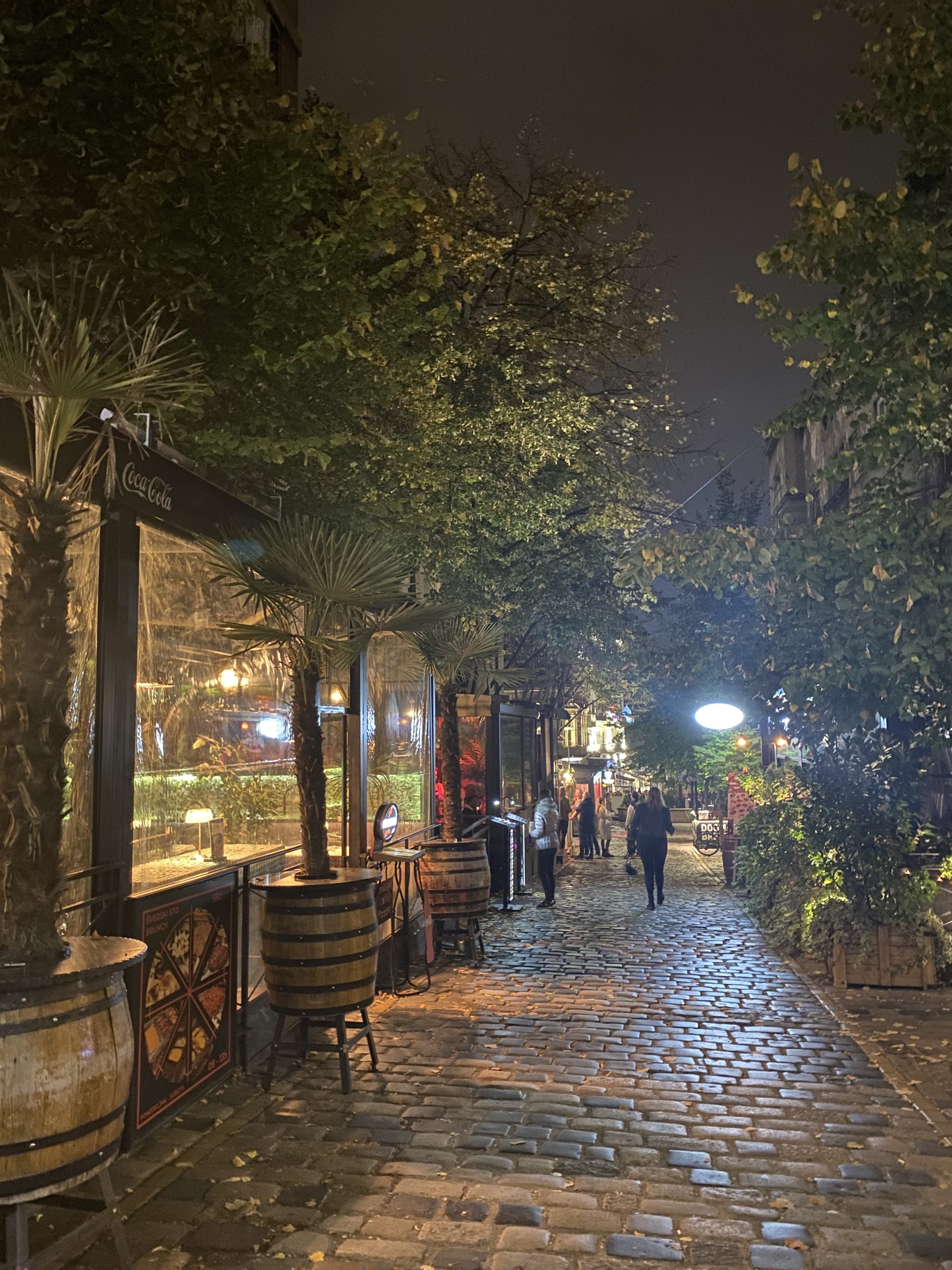
こんなに雰囲気違うカオス感!これら全部半径3kmの円の中での出来事ですよ。。。こんなに歩いていて街の雰囲気が代わる代わるな国は初めてでした
The mood changes completely. And all of this is inside a 3 km circle.
I had never walked through a city where the feeling changed so many times.
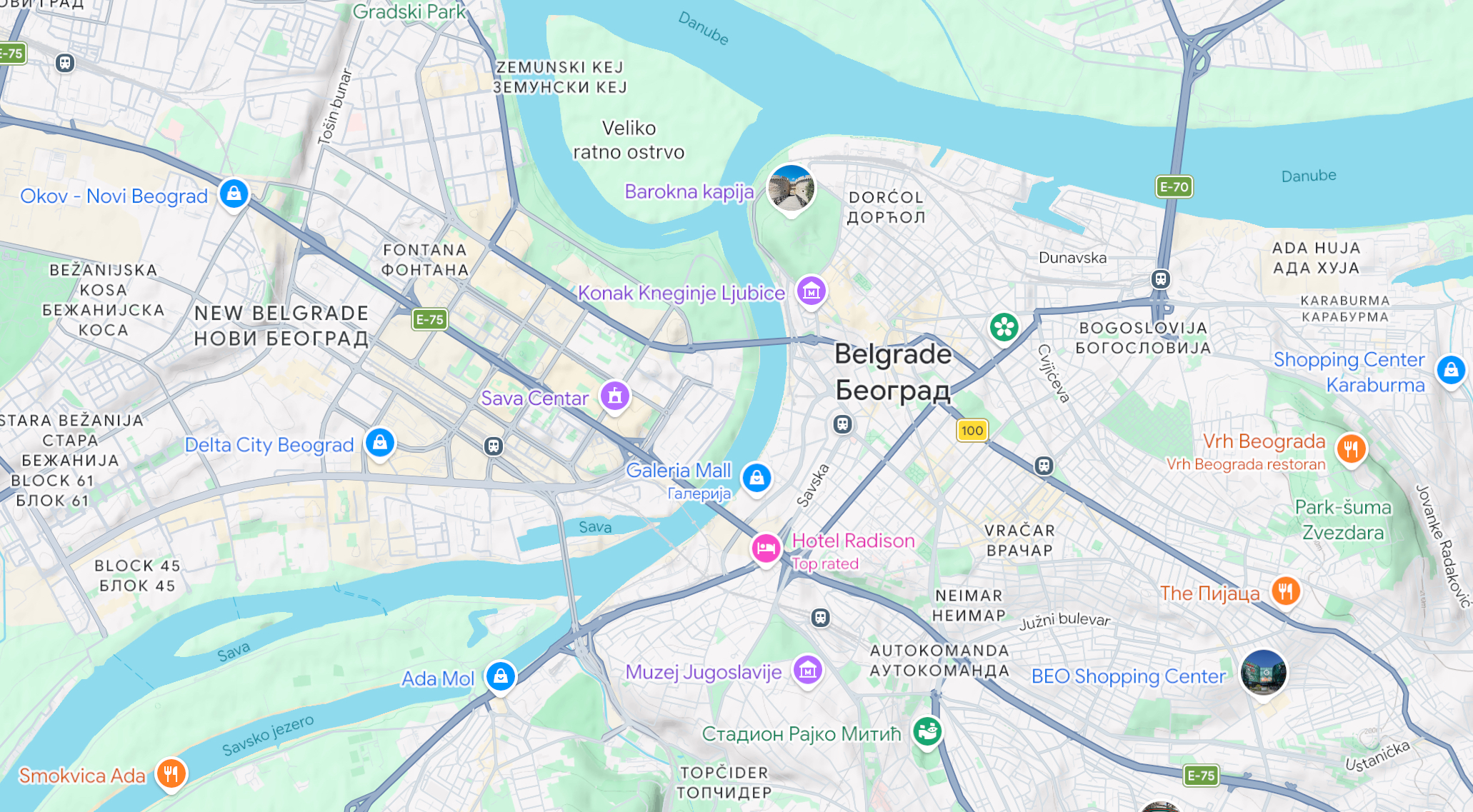
街を歩くだけでこの国の支配の歴史、変遷の激しさを感じます。
近代だけに着目しても、、、、なんじゃこれい、いやあ複雑すぎ!!!(AI作成)
Just walking around, you can feel the long history of rulers coming and going.
Even if we look only at modern times… What is this? Way too complicated!!! (Made by AI)
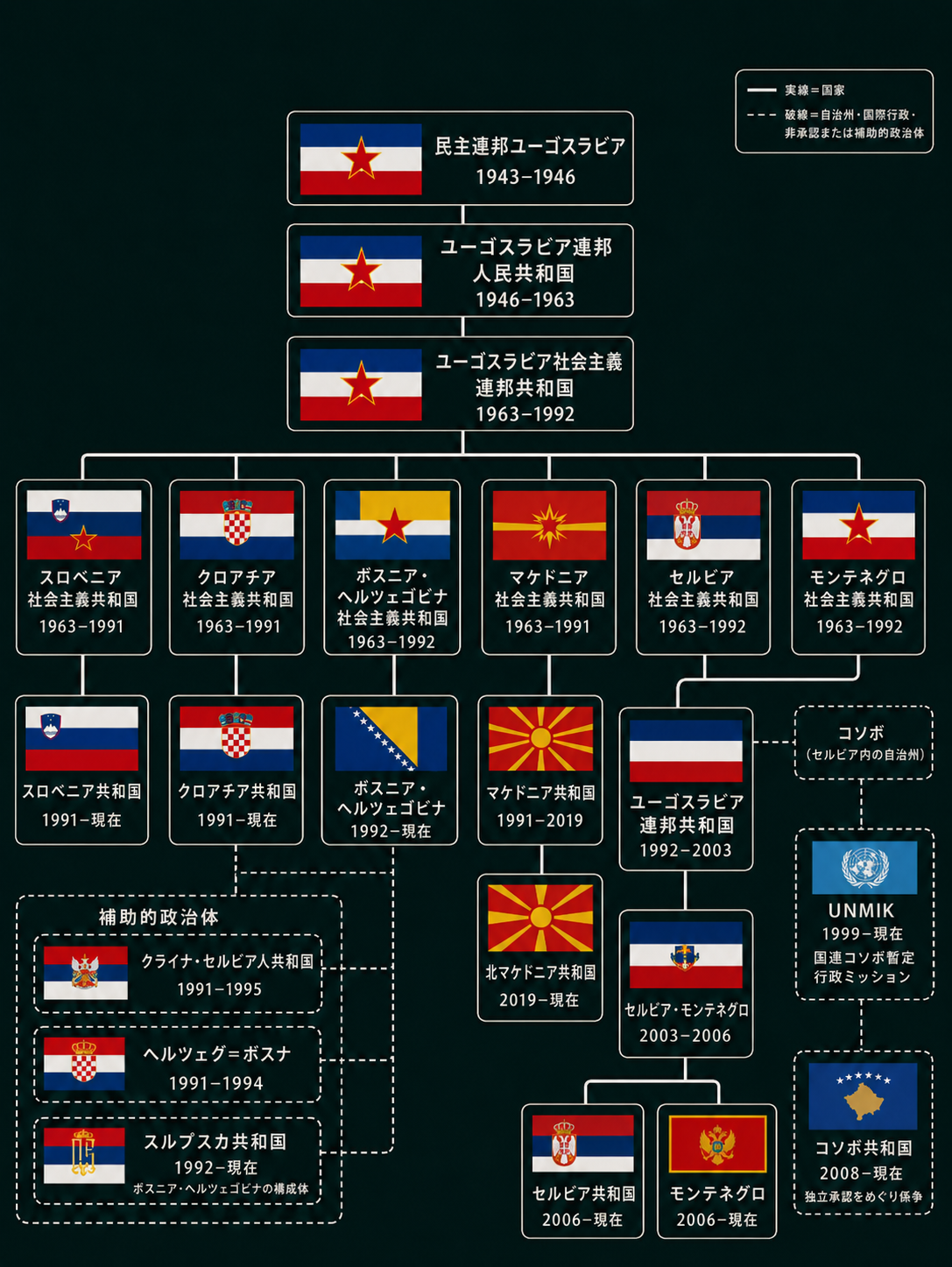
第二次世界大戦後、チトーが社会主義国家「ユーゴスラビア連邦」を築き、一時的に安定。
しかし、1980年のチトー死後、民族対立、分裂、戦争に至る。1990年代後半になると、国際的な経済制裁、ハイパーインフレ、若者の国外流出、NATOによる空爆などが重なる
この頃のセルビアは、まさに国際的に孤立し、国民生活が崩壊寸前の状態。
After World War II, Tito built socialist Yugoslavia. For a while, the country stayed stable.
But after Tito died in 1980, old ethnic tensions came back. By the late 1990s, Serbia faced economic sanctions, very high inflation, young people leaving the country, and NATO air strikes.
Serbia was cut off from the world. Daily life was close to falling apart.
バルカン半島(旧ユーゴスラビア地域)は、
「地理的にヨーロッパとアジアの境界」「宗教の十字路」「帝国の通り道」だった。
だから、くっついたり分かれたりを何百年も繰り返してきたんです。
The Balkans—the former Yugoslav region—stand between Europe and Asia.
A meeting point of religions. A road used by many empires.
That is why the region has joined together, broken apart, and joined again for hundreds of years.
そして、、、、、ついに、、、、
2006年、セルビア・モンテネグロの解消により、現在の独立国家セルビアとなりました。
Finally, Serbia became an independent state in 2006 after the dissolution of Serbia and Montenegro.
ただ、セルビアは2012年にEU加盟候補国になりましたが、正式加盟にはまだ至っていません。
支配と分裂、独立を繰り返し、現在のセルビアになったのです。こう言う国はやはり自国へのプライドがすごい。
Serbia became a candidate for EU membership in 2012. But it has still not joined.
After years of foreign rule, breakups and independence, Serbia finally became the country it is today. No wonder people here are proud of their country.
Serbian Pride
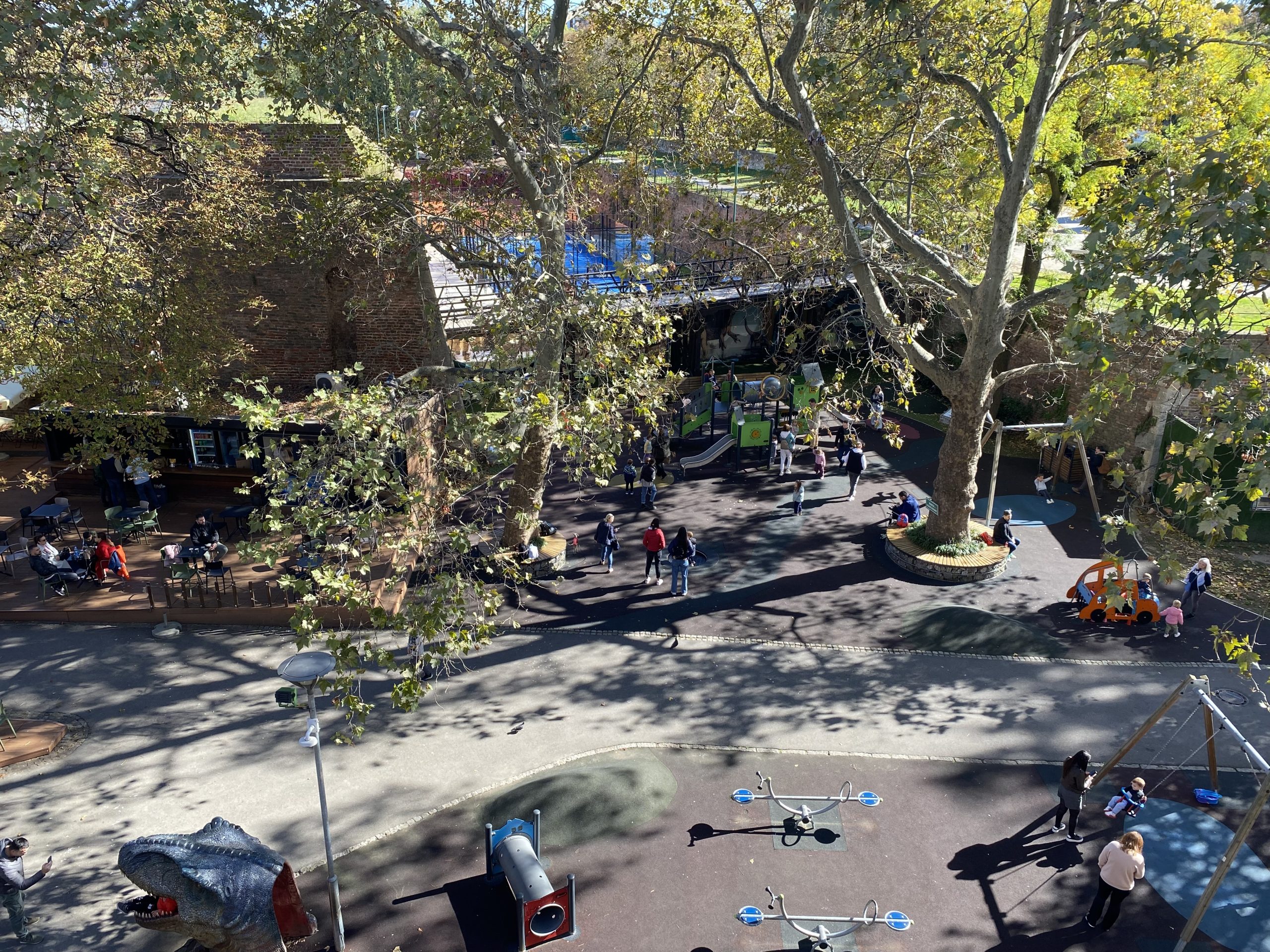
全部国旗色。セルビアいろ。ブランコもシーソーすら、心なしか
Everything is in the colors of the national flag. Even the swings and seesaws somehow look Serbian.
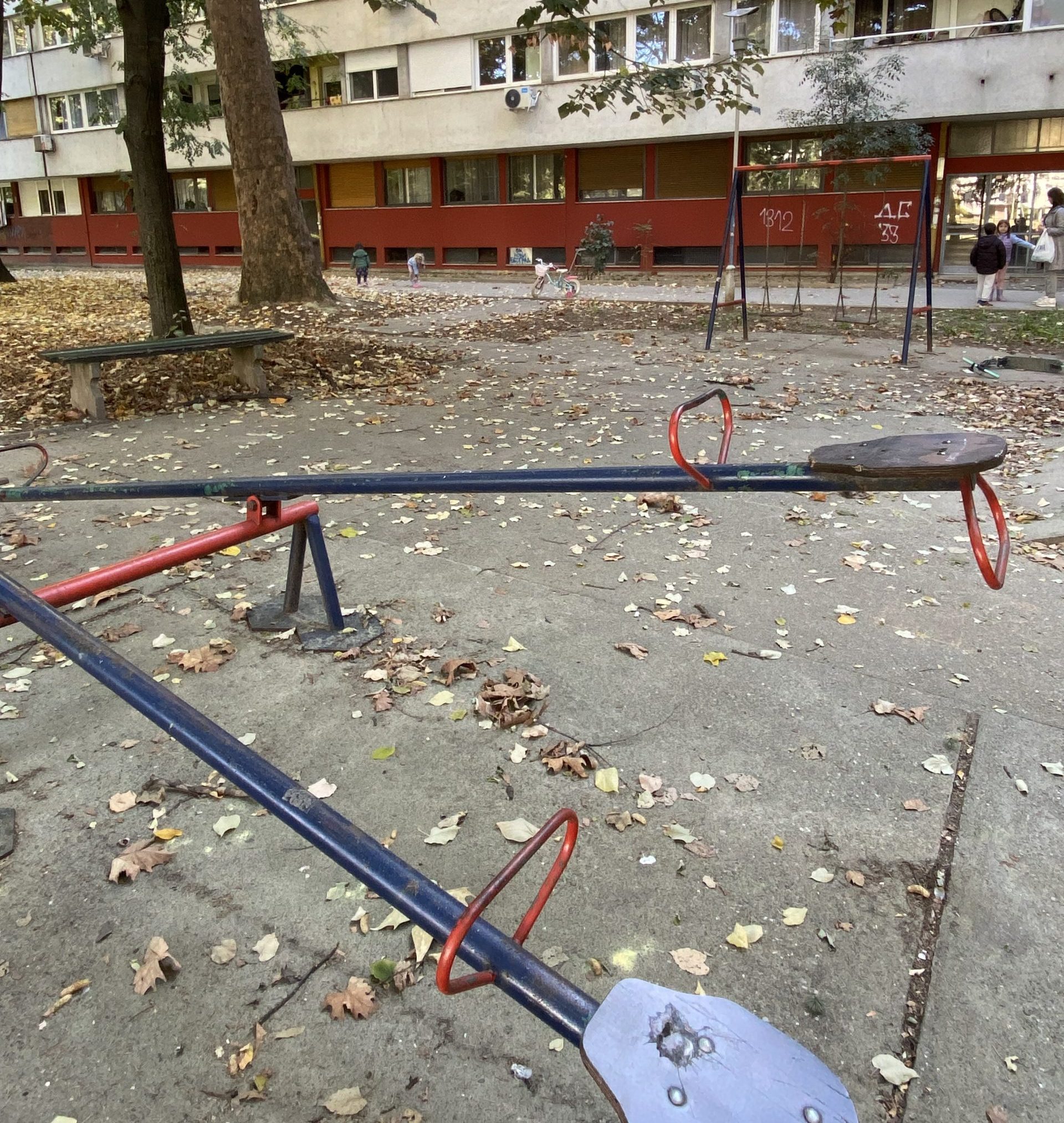
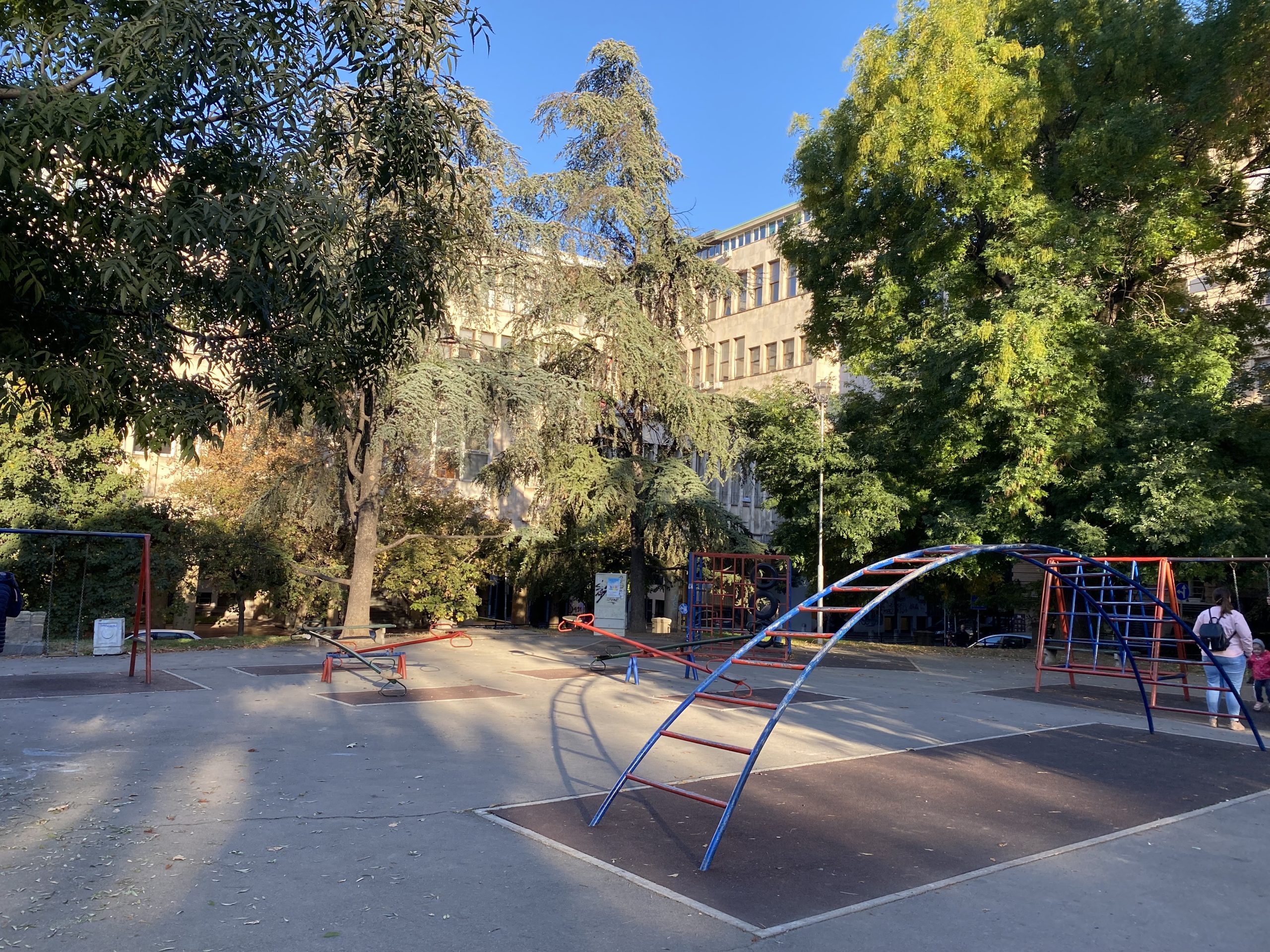
いや、、、全部これ?笑 オール赤青?? Wait… is everything red and blue? lol
トイレの蛇口のちいーさなデザインまで。
噴水も赤青だし、飛行機で飛び立ちながら空港の管制塔もめっちゃ赤青なのを確認しました
Even the tiny design on a bathroom tap. The fountain is red and blue.
And as our plane took off, I saw that even the airport control tower was red and blue.
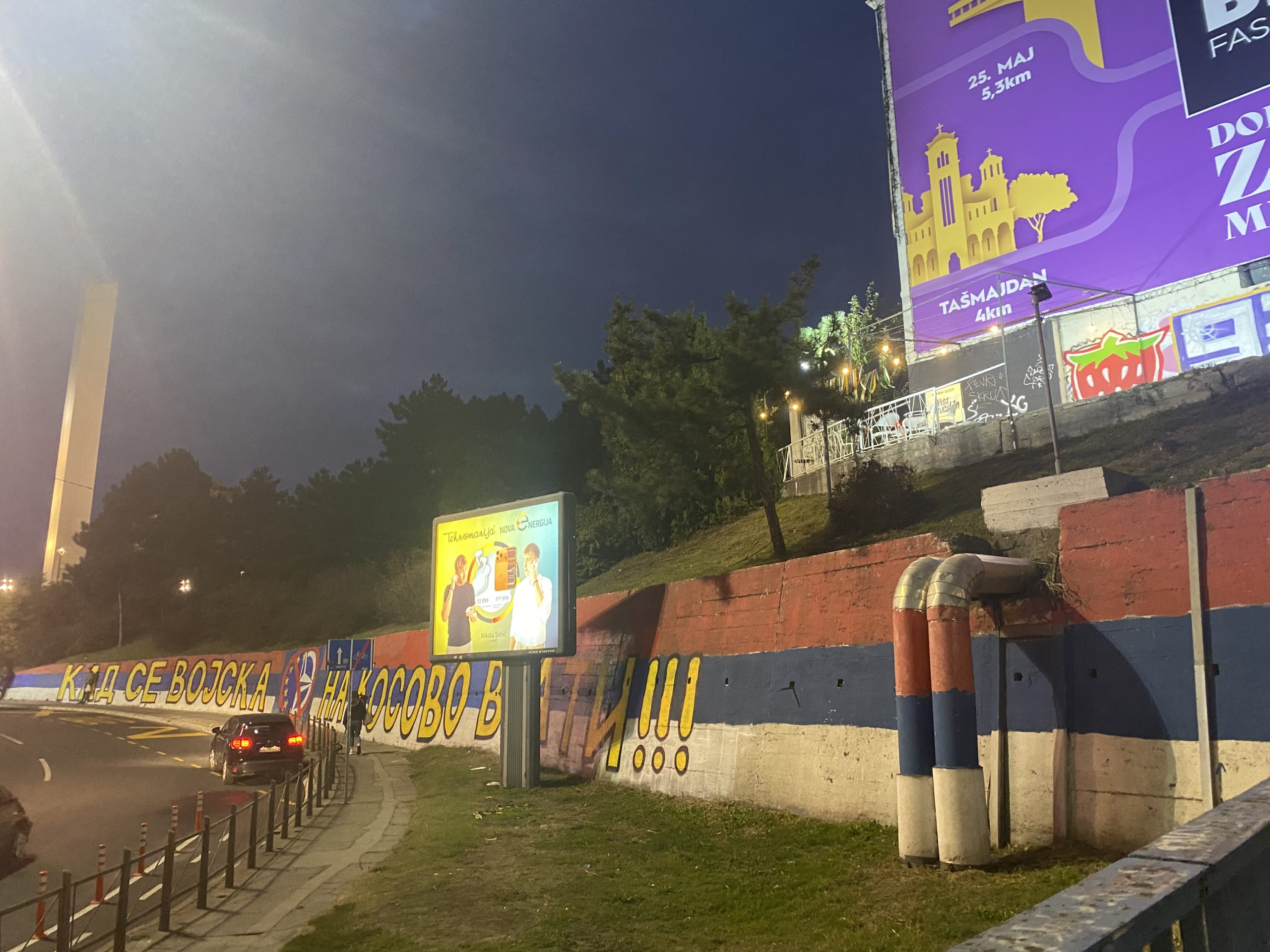
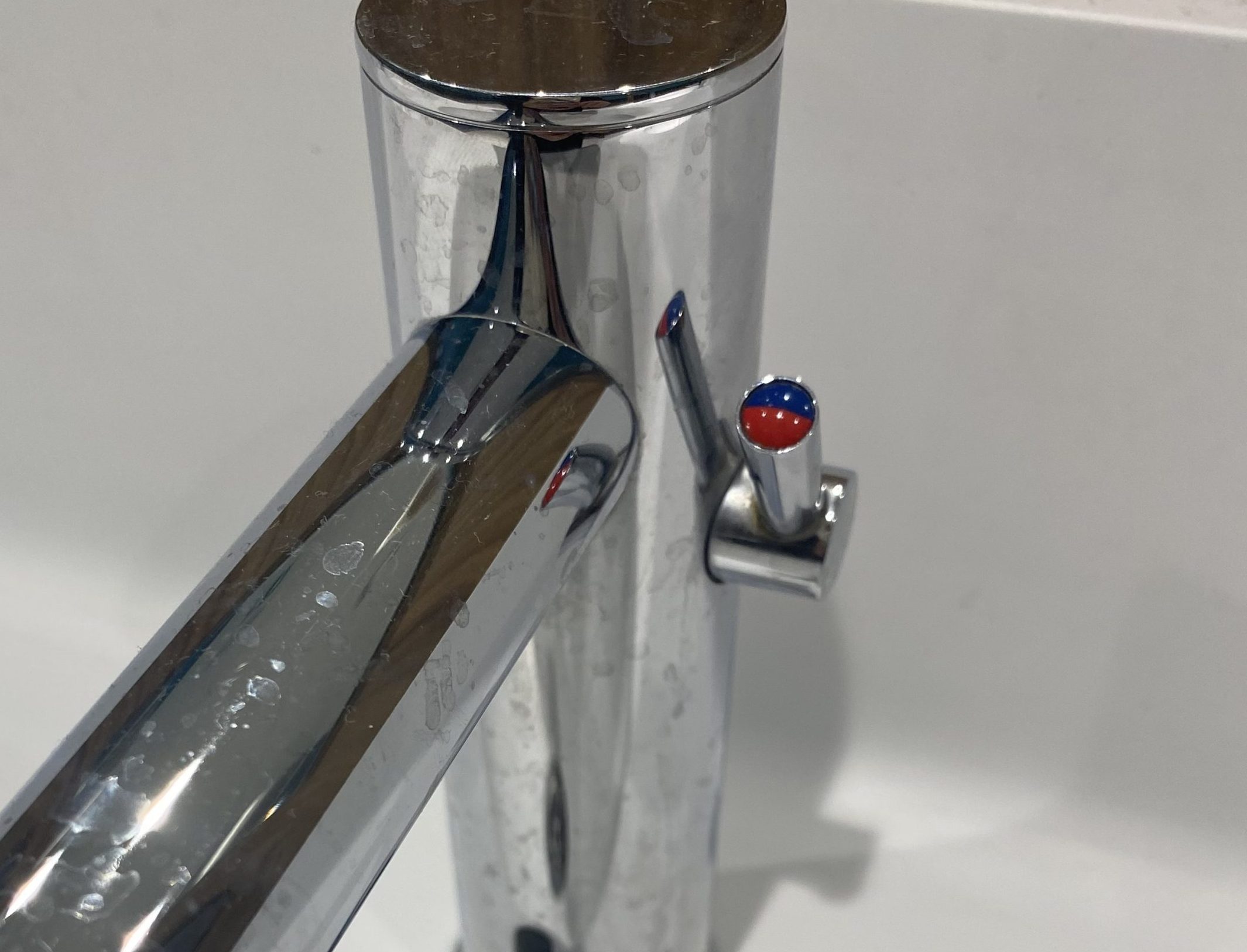
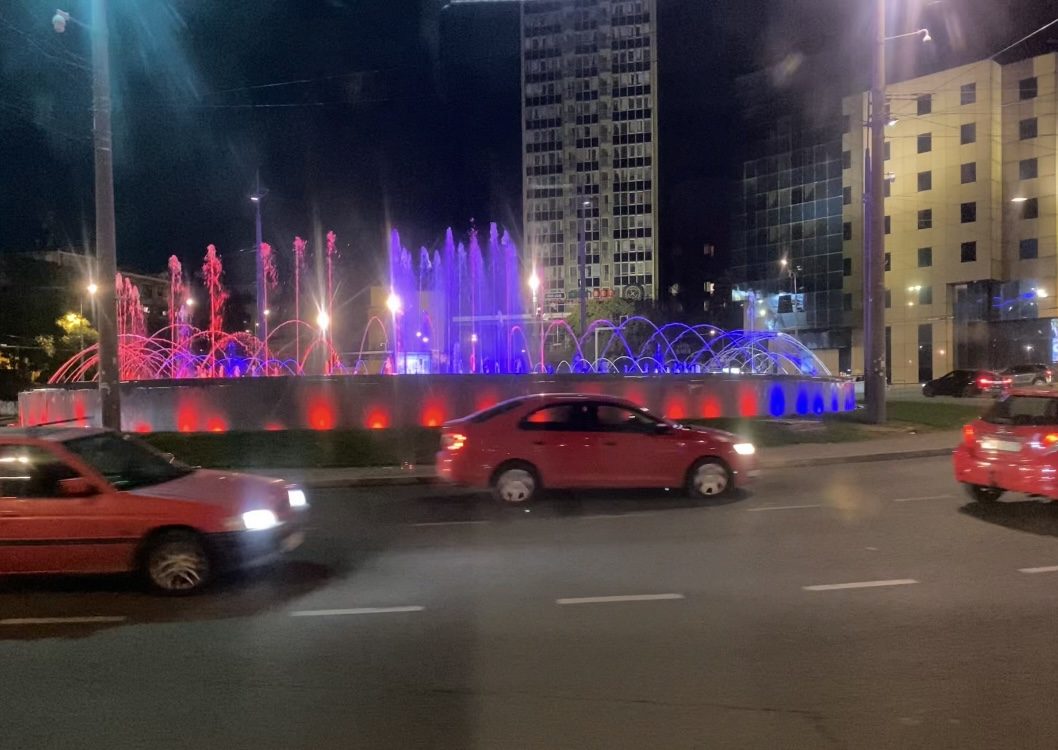
日本では祝日に国旗掲揚してる家もほとんど見かけなくなりました、、
In Japan, you hardly see flags outside homes anymore—even on national holidays.
愛国心が国際的に見て実は最低レベルの日本、、Japan also tends to show low levels of national pride.
変遷があったなかでオリジンに誇りを持つ。
これが、セルビアンプライド
After all the changes this country has been through, people are still proud of their roots.
This is Serbian pride.